
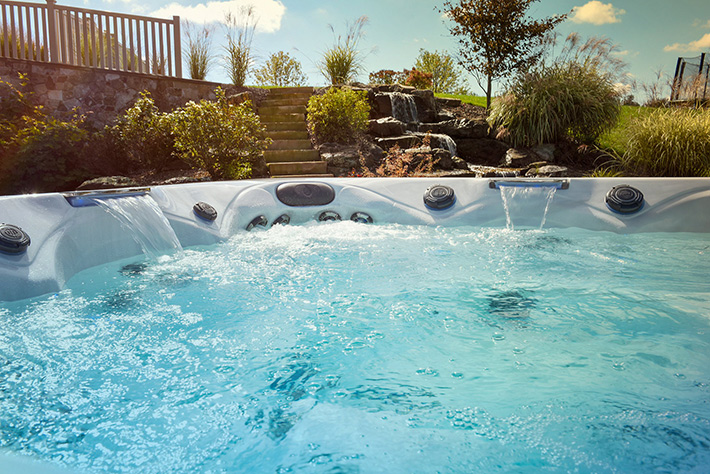
The water level in a hot tub never remains exactly still since people take it out in their swimsuits, some of it spills over the side, and a small amount is always lost through evaporation; it is usually just part of owning one to keep the level up.
One day you realize that the water level in your hot tub has dropped by more than was expected.
It’s possible that the water level has dropped below the jets just a few days after it has been filled. Perhaps you are adding water every weekend. At that point the natural question arises: is the spa simply losing water normally, or is there a leak?
A few simple observations will enable you to tell the difference.
Start With How Quickly The Level Is Dropping
Normal evaporation takes place slowly. The quantity depends on the weather and on how frequently the spa is used. When the cover is open, cold and dry air can quickly draw moisture from warm water.
The effect is also seen in the case of a group of people going in and out, since they can take a considerable amount of water without it being noticed.
What should be noted is a pattern which suddenly alters.
If you used to hardly need to add water but now the level drops noticeably every few days, then you should investigate this further; a steady decline when the spa is covered and not in use is more suspicious than a drop that occurs after a busy weekend.
You can make it easier to track the change by using a bit of tape to indicate the water level.
Check The Cover Before Assuming The Spa Leaks
The cover contributes a great deal to water loss.
Since the lid no longer fits well around the shell, more warm and moist air will escape. Damage to the vinyl or the foam can make the situation worse. When one side has started to sag, the cover will probably no longer sit tightly enough to prevent evaporation.
A further indication that a replacement might be due is the presence of a damp and heavy cover.
Before you look into possible plumbing problems, check that the cover closes completely and rests evenly. Once the seal has been improved and the water level stays better, it is possible that evaporation was to blame for a greater amount of the loss than had been expected.
Look Around The Equipment Area
It is not the case that a leaking hot tub always results in a substantial puddle.
Small leaks can seep into the insulation or flow underneath the cabinet, where they are difficult to see. A sign of this is moisture appearing around the base even though the ground around it should be dry.
When the power has been switched off, check the areas where accessible equipment is located for any moisture and note the connections near both the pump and the heater; although a fitting might at first only release a small quantity, over a number of days this can cause the water level to drop.
Do not start tightening unfamiliar plumbing connections simply because one looks damp. Overtightening can damage spa fittings, turning a small problem into a larger repair.
Watch What Happens When The Pumps Run
It is only when the circulation or jet pumps are running that some leaks become apparent.
The pressure in the plumbing system changes when the pumps are switched on, and if there is a loose joint or a damaged seal it will leak more under those circumstances than when the spa is not in use.
Check if the loss of water seems more severe following long soaking periods, and you might also notice moisture appearing near the cabinet when the jets are operating.
When the leak is associated with pump operation, that information can be of use in arranging service since it makes it possible to determine when the problem happens and provides the technician with a better starting point.
The Water Level Can Offer A Clue
A spa which is leaking may lose water until it gets down to a particular height, after which the loss of water slows or ceases.
That may aid in identifying the problem.
If the water keeps settling close to a certain jet or fitting, the leak might be nearby at that level, and water escaping from a component higher in the shell will stop draining when the level goes below it.
A leak in the plumbing system nearer to the bottom may still keep dripping for a long way.
You should not deliberately allow the spa to drop below its safe operating level while the equipment is running since the pumps require sufficient water and operating them dry can cause extra damage.
Do A Simple Usage Test
If you’re not sure if the bathers are to blame for the loss, then give the spa a brief moment of quiet.
Take it up to the usual level, put on the cover, and don’t use it for a day or two afterwards. Then check the same reference point.
If the level doesn’t change much then either regular use or evaporation is probably what you’ve seen. However, if there is still a noticeable decrease even with the cover shut, a leak becomes more likely.
Since weather can have an effect on the outcome, consider this more as a helpful hint than a completely accurate test.
Small Leaks Are Better Handled Early
At first a slow leak may be easy to put up with since it might seem simpler to add a hose every few days than it is to arrange for servicing.
The question is what has become of that water.
The moisture contained in the cabinet may have an effect on the insulation or on other components after a period of time, and a minor seal fault can also get worse, which will result in more rapid water loss later on. It is generally better to identify the source as early as possible so that you have more choices available before the problem starts to interfere with normal use.
More Than Hot Tub Sales – Service, Supplies, and Expert Support
At The Hot Tub Store, our two locations in Rochester Hills and Macomb, Michigan, offer much more than a showroom of premium Master Spas hot tubs and swim spas. We also carry replacement covers, filters, water care products, and essential maintenance supplies to help owners keep their spas operating properly.
From resolving maintenance concerns to exploring the latest hot tub and swim spa models, our spa specialists can help you find practical solutions without the guesswork.
Visit one of our two Metro Detroit locations or contact us today!